5 ways to reduce risk and create freedom outside a 9–5
Read time: 5 minutes
I still remember finishing a 14-hour hospital shift one winter night — exhausted, hungry, and wondering how this could possibly be sustainable. I’d spent the day caring for others, but hadn’t had a moment to eat or breathe.
The thought hit me: if this is what "security” looks like, is it really that secure?
For most of my career I’d followed the conventional “safe” path: I studied hard, got a stable job, and climbed the ladder.
As a medical doctor and later as a strategy consultant, I poured myself into every position. I worked long hours, often sacrificing my wellbeing and time with family.
But despite all that effort, what I remember most clearly are the recurring feelings of:
- Frustration
- Disconnection
- Lack of appreciation
My salary and growth were tied to decisions made by someone else. My energy outside work was non-existent. And slowly, I began to feel boxed in — which ultimately became the main reason I walked away from medicine.
I regularly hear from people in a similar position, hardworking, loyal employees who suddenly find themselves redundant. Industries evolve, technology replaces roles, and job security becomes less certain. No matter how good you are, an organisation will always prioritise its own survival over an individual’s future.
And that’s the paradox I’ve come to realise over the years.
The “risky” option might now be the safer one.
Because when you build something of your own, you spread that risk, gain control, and give yourself options.
It doesn’t have to be the next Amazon. But a small business, side project, or income stream outside your 9–5 can create freedom and stability.
Here are five practical ways to start exploring that path, wherever you are right now:
1. Speak to people and uncover needs
Start by having real conversations with friends, colleagues, or people in your network. Ask what challenges they’re facing. I’ve always believed that’s the foundation of every great idea: where your skills meet someone else’s problem.
If you’ve ever helped or coached someone successfully, think about what made that help valuable. There’s often a business idea hidden in there.
2. Learn skills that give you leverage
Certain skills open doors no matter what industry you’re in: persuasive writing, sales, design, video editing, or coding. Pick one that excites you most and focus on improving it gradually. Even a 1% improvement each week compounds massively over a year.
3. Build trust through visibility
One of the fastest ways to create opportunity is to share what you know. Write about your experiences, lessons learned, or frameworks that have worked for you.
Being consistently visible builds trust and helps people see how you think. Over time, it draws the right opportunities to you — rather than you having to chase them.
I'm opening 3 coaching spots for professionals who want to reposition their personal brand for 2026. Applications close on 3rd November and I'd love to work with you! >>> CLICK HERE TO APPLY
4. Create something that’s truly yours
I believe in today’s world, everyone should own something that exists beyond their day job. It could be a podcast, newsletter, YouTube channel, or digital product. These projects compound over time and become assets that work for you. If your job situation changes, they can be a safety net — or even a springboard.
5. Start small, move quickly
So often, people get stuck thinking they need a solid plan before starting. I’ve found the best way to learn is by doing. Maybe launching something simple — like a short guide, or a one-hour workshop. The feedback you get will help you iterate faster and give you momentum. The action comes first, perfection comes later.
In summary
The world of work has shifted. The “safe” career path we once knew is no longer guaranteed.
I don’t believe anyone needs to quit their job tomorrow. But I do think that taking small, intentional steps towards diversification can give you greater flexibility, freedom, and confidence.
So the real question is: What’s riskier — relying on someone else for security, or building something that’s truly yours?
Speak soon,
Dupé
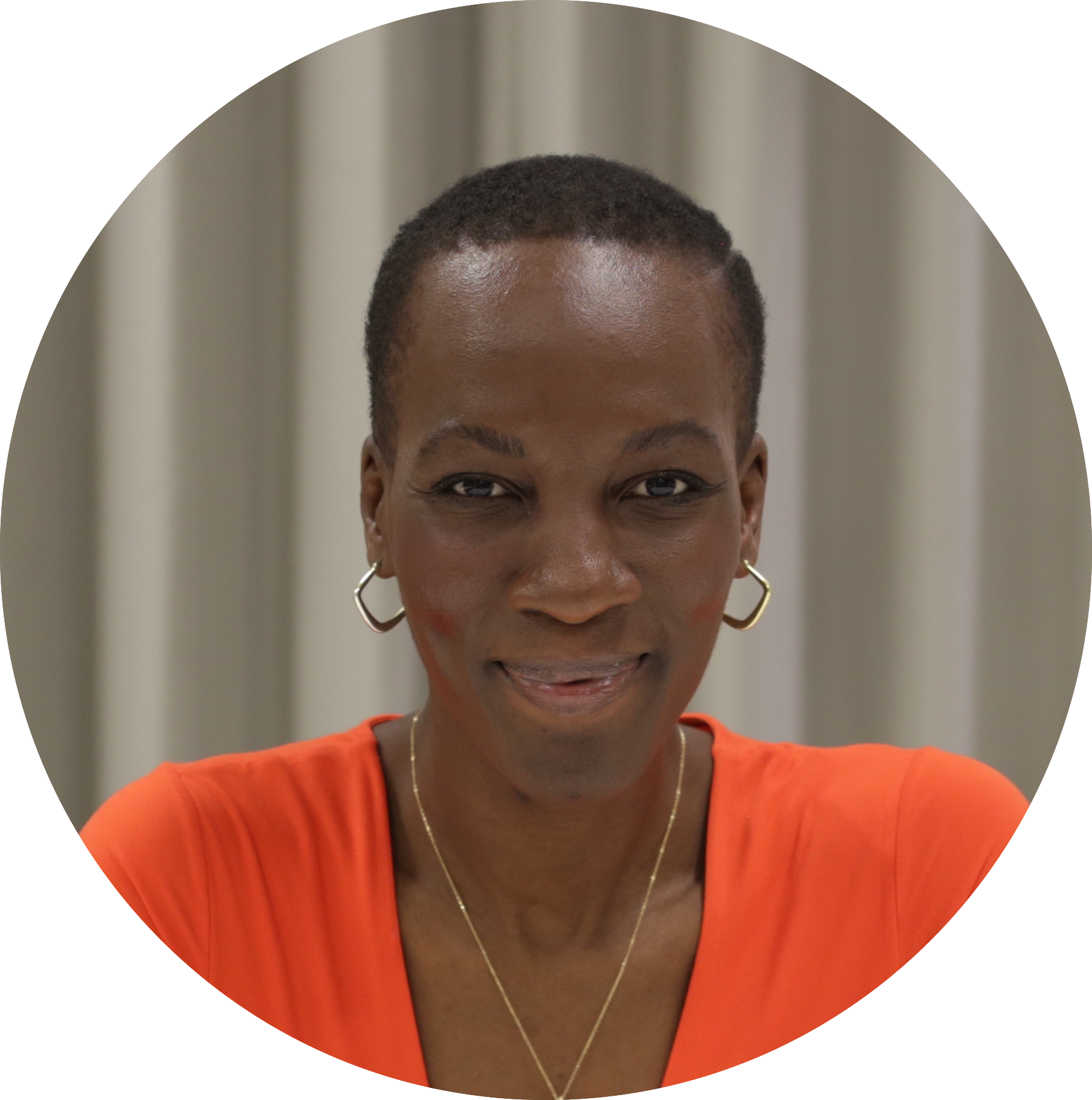
PS: I'm opening 3 coaching spots for professionals who want to reposition their personal brand for 2026. FILL IN THIS FORM TO APPLY and I'll be in touch soon. Applications close November 3rd!
In the meantime, if you' like to book me to speak make an inquiry here :)
