5 human abilities that will matter more as everything else changes
Read time: 6 minutes
My eldest kid is 9.
Last week, I was explaining to him how, when I was his age in the 90s, we only had four TV channels (here in the UK, at least).
He looked at me, completely confused, and said:
“Was one of them Netflix?”
I laughed and explained that we used to check the newspaper to see when our favourite shows were on. And if you missed it, that was it. No pausing, rewinding or catching up later. He couldn’t believe it.
That conversation made me feel exceptionally old (which I’m not!), but more than anything, was a reminder of how quickly things have changed.
And they’re only speeding up.
In just one decade we’ve completely transformed how we work, live, and connect. And with AI accelerating everything, the next 10 years is likely to be unrecognisable.
I imagine that very soon, most companies will:
- Run most of their operations from a laptop
- Hire talent globally rather than locally
- Stay small and agile instead of building large teams
We’re seeing more fluid careers, multiple income streams, and people building optionality into how they work.
In that kind of world, purely technical skills can quickly become outdated.
What lasts longer are the more human abilities, which are harder to automate, and more transferable over time.
Here are five I believe will matter most.
1. Emotional intelligence (EQ)
Research shows that EQ is one of the strongest predictors of high performance, particularly in leadership roles (1).
AI can analyse data and generate outputs, but it can’t build trust, read a room, or navigate nuance in the same way humans can.
Being able to understand people, communicate with empathy, and handle difficult conversations is what makes you effective in complex environments.
Try this: In your next conversation, focus fully on listening. Not interrupting or planning your response, just listening properly. It’s harder than it sounds, but so valuable.
2. Critical and analytical thinking
According to the World Economic Forum, analytical thinking remains one of the most in-demand skills globally (2).
We’re surrounded by more information than ever, but insight is still rare.
The ability to question assumptions, connect dots, and make sound decisions is what sets people apart.
Try this: Before making a decision, write down your assumptions and challenge them. It’s a simple way to improve the quality of your thinking.
3. Flexibility and adaptability
LinkedIn’s latest skills report highlights adaptability as one of the fastest-growing capabilities required across industries (3).
Things are changing constantly. Roles evolve, industries shift and tech moves quickly.
Being able to adjust, learn, and move with change (rather than resist it) is what keeps you relevant.
Try this: When something changes, instead of resisting it, ask: what can I learn from this? That mindset shift alone makes a big difference.
4. Influence and presence
The ability to communicate clearly and influence others is becoming pretty critical.
Whether you’re leading a team, pitching an idea, or building something of your own, your ability to make your thinking land really matters.
And that extends into how you show up online.
Try this: Start sharing your thinking more openly. It could be in meetings, internally, or on LinkedIn. Visibility builds credibility over time.
Want support here? Reply to this email and we can set up a discovery call.
5. Growth mindset and self-awareness
People who believe they can develop and improve tend to navigate change more effectively (4).
When you combine that with self-awareness (i.e. understanding your strengths, weaknesses, and patterns) it creates a really strong foundation for growth.
It allows you to adapt, improve, and course-correct more quickly.
Try this: Ask for feedback regularly. Even a simple “What’s one thing I could do better?” can give you insights you wouldn’t see yourself.
The takeaway
The future will continue to shift in ways we can’t fully predict. But these human skills are unlikely to lose their value. If anything, they’ll become even more important.
As my kids grow up in a world that looks very different from the one I grew up in, I hope they learn to focus on these kinds of abilities.
Because they age well, they compound, and they create real leverage over time.
Speak soon,
Dupé
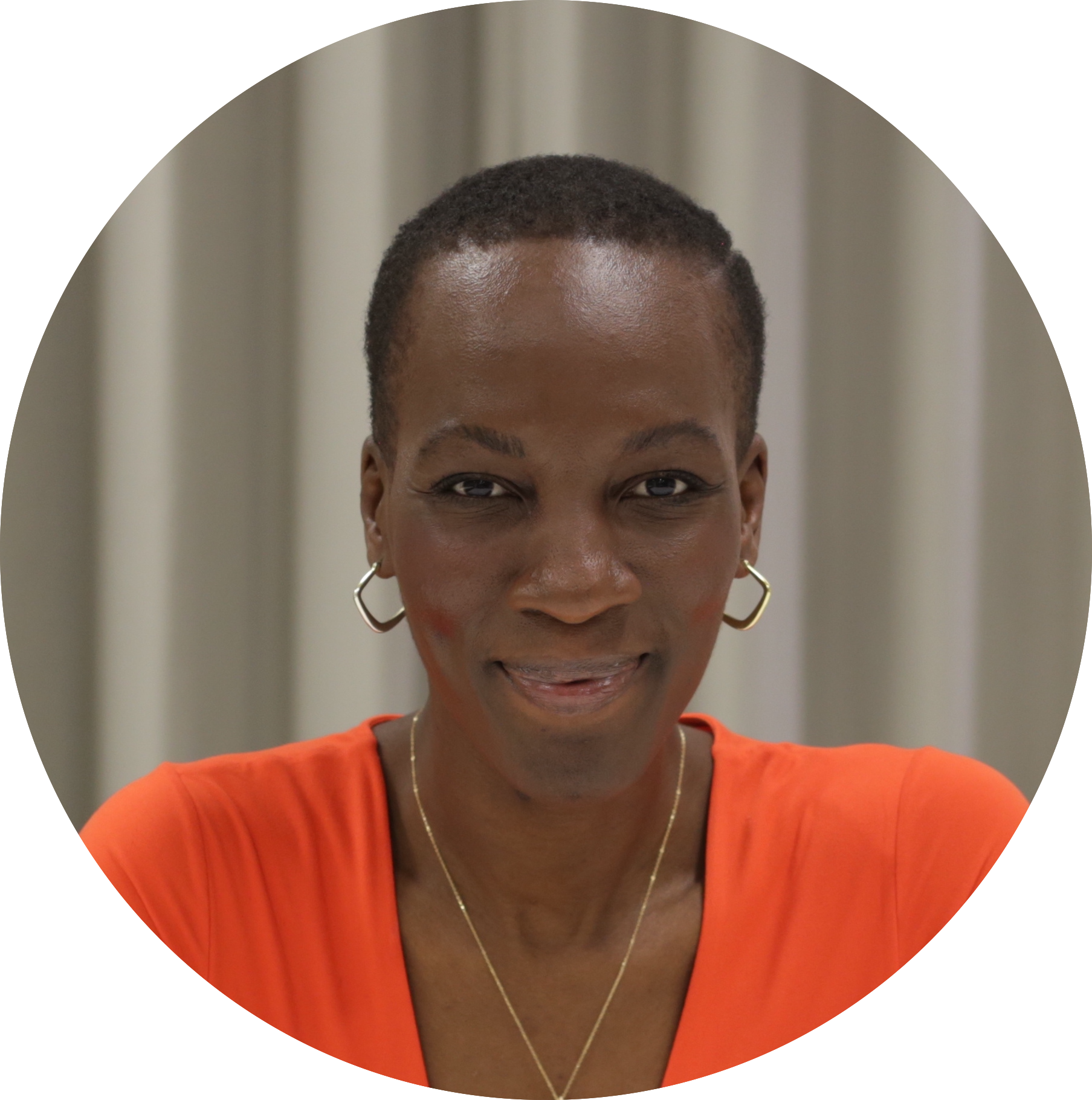
PS: Whenever you're ready, feel free to enquire about working together: Get guidance on how to be more visible and grow your brand. Whether you need 1:1 coaching or ready-to-post content, hit reply and let’s chat!
Sources
(1) Daniel Goleman / Harvard Business Review – Emotional Intelligence research
(2) World Economic Forum – Future of Jobs Report (latest edition)
(3) LinkedIn Workplace Learning Report / Skills on the Rise
(4) Stanford University research on Growth Mindset (Carol Dweck)

Responses