Why visibility is a career skill you can’t ignore
Read time: 5 minutes
Quick reminder about the LinkedIn Authority Accelerator, a 5-part live delivered course helping professionals build a visible, credible personal brand on LinkedIn through a repeatable system. Starting January 2026 — find out more and enrol here.
A few years ago, whilst working as a strategy consultant at one of the best firms in the world, I poured a huge amount of time and effort into one particular high-stakes project:
- (Very) late nights.
- Time missed with my son.
- Double-checked deliverables.
I remember it being very stressful, but I also produced some work I was really proud of.
However, when the project finished, something unexpected happened: nothing.
- No thank you.
- No recognition.
- No new opportunities.
I found it a bit strange to roll off this big, all-consuming project, and be met with silence.
Meanwhile, a colleague who very openly shared their work, proactively networked within the office, and kept people updated on progress always seemed to attract attention — and opportunities.
At the time, it was frustrating. Especially as someone who is very introverted.
But now I get it. In fact, it makes perfect sense.
Being excellent but quiet is good. But being excellent and visible is transformational.
I’ve learnt the lesson the hard way:
The people who progress aren’t always the most skilled. They’re the ones who make their value known.
If you want to build momentum in your business or career, you can’t wait to be discovered. You have to show people who you are and the impact you create.
1. Share your thinking, not just your output
Most people only ever show the final product: the polished deck, the final result, the neatly packaged outcome.
But people connect much more deeply with your thinking process:
How you solve problems, make decisions, and navigate challenges.
That’s what makes you credible and memorable. You don't have to post every detail. Just let people see the way you think.
Try this: Share one insight, framework or thought process from your work this week — in a meeting, with a colleague, or online.
2. Speak up before you feel “ready”
Visibility often starts with the smaller moments, like sharing an idea in a meeting, offering a perspective, putting your hand up for something.
Most people stay quiet because they think they need more certainty or preparation. But that’s a trap. The truth is, every time I’ve spoken up a little earlier than felt comfortable, I’ve built more presence and more trust.
Do this: In your next meeting, share one thought 30 seconds sooner than feels natural.
3. Build a digital presence that reflects your strengths
Whether we like it or not, people look us up before they meet us. Frightening, but true. Your digital presence is your real first impression.
A clear, consistent personal brand helps people understand who you are before you walk into the room, and that unlocks opportunities.
You absolutely don’t need a perfectly curated feed. You just need to show your values and voice.
Reflection: Does your online presence reflect the full value you bring, or is it hiding it?
4. Let people see your progress, not just your expertise
We often think we need to show up as “the expert”, i.e. polished and certain.
But I’ve learnt that this isn’t necessary. People connect more with progress than perfection. When you share what you’re learning, building, or trying, people really do root for you. They also remember you and trust you.
And later, they reach out.
Try this: Share one lesson you’ve learned this month — keep it simple and human.
5. Visibility is not arrogance — it’s good strategy
There’s a belief that talking about your work is self-promotional. And I know that belief exists, because I used to feel that way!
But in reality, people can’t recognise work they can’t see, champion a voice they never hear, or open doors for someone who is invisible.
So visibility isn’t about ego. It’s a communication strategy.
Do this: Reframe visibility as helping people understand how you can contribute. That makes it easier to embrace.
The takeaway
Waiting to be discovered keeps you in the shadows.
Showing up, sharing your ideas, and being seen is what moves your business and career forward.
Let people see you, understand you, and recognise you.
Not because you’re loud or obnoxious — but because you’re clear about who you are and what you do.
Speak soon,
Dupé
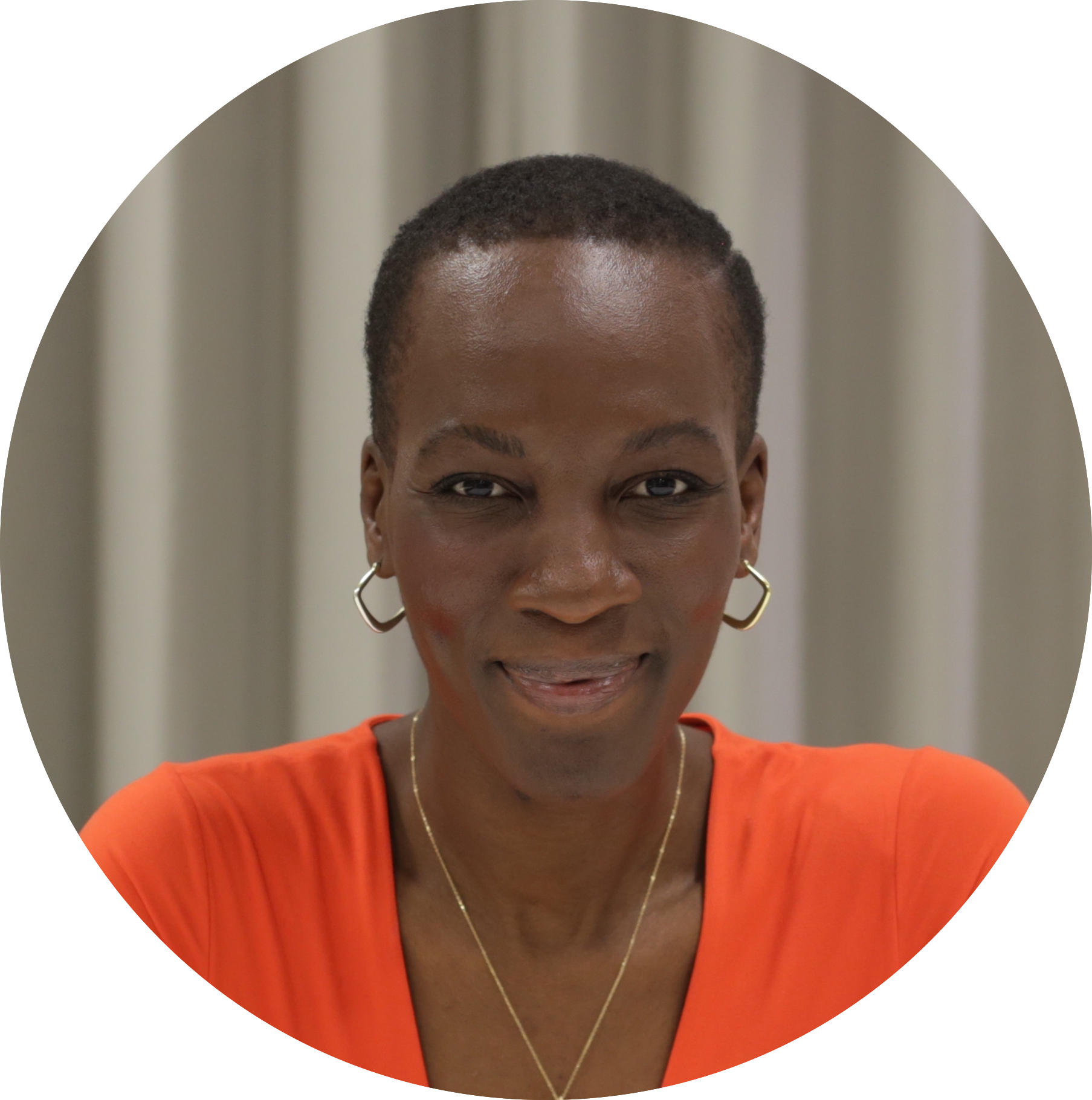
PS: Don't forget to sign up to the LinkedIn Authority Accelerator, a 5-part live delivered course, starting in January, designed for busy leaders who want to grow their visibility.
And, as always, if you’d like deeper support in showing up confidently and growing your personal brand, reply to this email to explore 1:1 coaching.
And finally, if you' like to book me to speak make an inquiry here :)
